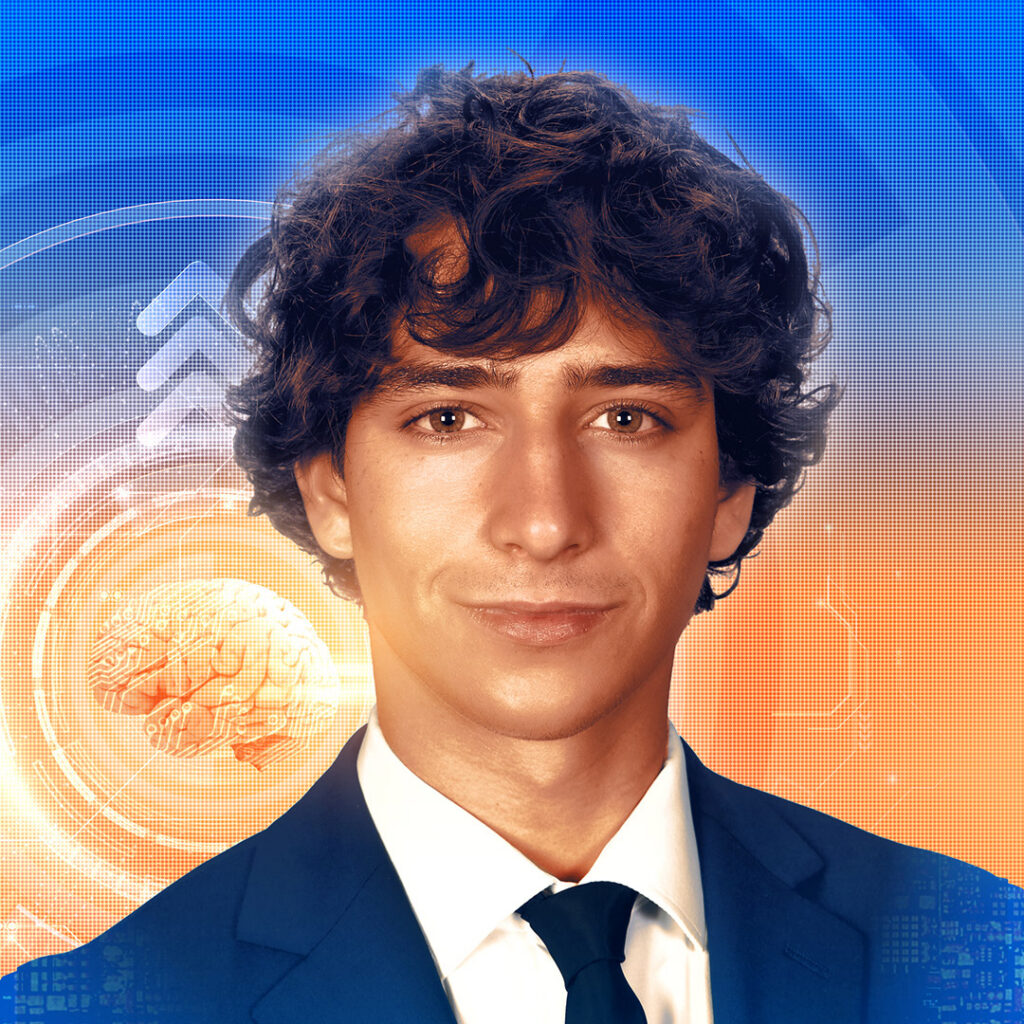

When biologist Maksim Plikus took the leap into the multibillion-dollar market for hair-loss treatments, he had lots of local support.
Plikus came to UC Irvine as an assistant professor in 2012, attracted by what was then a small team of accomplished skin biologists. He was soon in hot pursuit of a new theory of hair regeneration.
Plikus noticed that certain hair on infants’ skin grows long and thick, like that of an adult. That led him to identify a molecule called osteopontin, used by select pigment-making cells to activate hair follicles.
The commercial potential was obvious. Some 80 million American men and women experience hereditary hair loss. Yet Plikus recognized that his talents lay more in research and teaching than in licensing, patents, fundraising and coordinating with the Food and Drug Administration, which regulates prescription drugs. That’s why he’s grateful for Irvine’s sturdy ecosystem of support for innovators, which guided him through such a daunting journey that insiders call it “the valley of death.”
“There is nothing that I wanted to do that I haven’t been able to find resources for in Irvine’s biotech environment,” says Plikus, who is now a full professor of developmental and cell biology and founder of Amplifica, a biopharmaceutical company developing breakthrough treatments for hair loss.
Leaving the labs
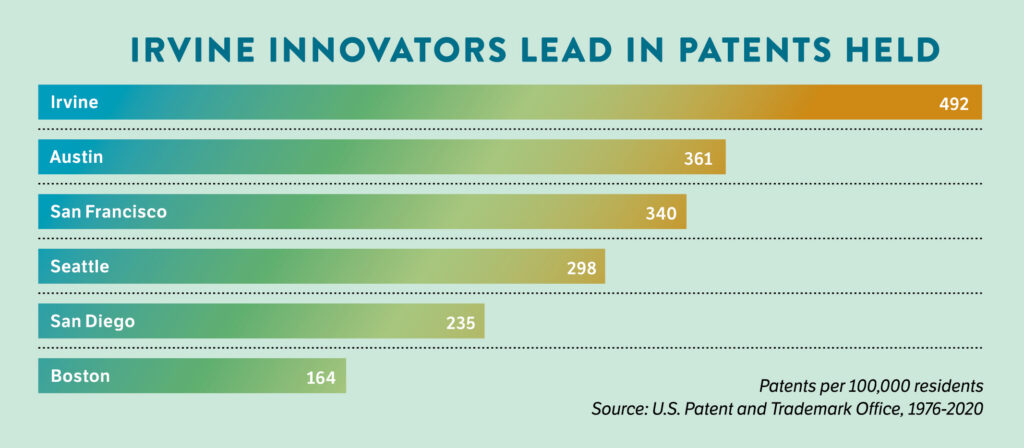
Plikus’ path has become familiar in Irvine, where private incubators and the university invest heavily in encouraging “translational research”: taking innovations from the bench to the business world. Some of the results have been dazzling.
Stryker, a leading global medtech firm, paid $4.9 billion last year to buy Irvine’s Inari Medical, which develops devices to treat deep-vein thrombosis and emerged from a local medical-device incubator.

Maksim Plikus
“There is nothing that I wanted to do that I haven’t been able to find resources for in Irvine’s biotech environment.”
Maksim Plikus
FirstElement Fuel, a hydrogen-fueling infrastructure company based on research by UC Irvine alumni and founders Shane Stephens and Tim Brown, has raised more than $105 million in private funds. It runs the True Zero network of 40 stations throughout California, providing about 90% of all retail hydrogen fuel dispensed in the U.S.
Michelle Khine, a biomedical engineering professor at UC Irvine, has launched six biomedical startups from her lab, most recently Makani Science, which makes the first wireless, wearable device to monitor patients’ breathing, even when they are in motion.
The university has devoted increasing resources to making academics’ commercial dreams come true. On the way to establishing a foothold in the $9.2 billion hair-restoration market, Plikus was awarded a $100,000 Proof of Product grant from UCI Beall Applied Innovation, which collaborates with researchers and industry to help commercialize discoveries.
“We’re the central hub that connects the discovery and research that happens on campus with local businesses and investors,” says Beall spokesman Ryan Mahar. “That’s how we build the workforce for tomorrow, supplying local businesses with the talent that can move these opportunities forward.”
A strong network in Irvine
Beall’s other benefits for startups include The Cove, a three-story, 100,000-square-foot startup center in UCI Research Park that provides offices, work stations and conference rooms. The Cove also hosts a wet lab for early-stage life-sciences products, run by University Lab Partners, a privately funded incubator.
The Beall grants, first awarded in 2016, help researchers with key tasks, including feasibility studies and prototype development, on their way to the market.
Plikus received his award in 2018, the same year in which he co-founded Amplifica. Four years later, the company raised nearly $12 million to begin clinical development of its two leading product candidates.
Plikus appreciates Irvine’s strong talent network, which helped him connect with two experts who now serve as company officers: biopharmaceutical executive and entrepreneur Wajdie Ahmad and hair transplant expert and surgeon William Rassman.
In September 2024, the company announced promising results from the first human trial of an injectable treatment known as AMP-303, suggesting the treatment is safe and tolerable and has “significant potential” to address hair loss after just one application. Next up: a new round of human trials and conversations with the FDA.
“Early companies are very fragile,” Plikus says. “They’re like tiny babies. They need the right environment to survive the early stages as they become more robust. There are so many people I’m thankful for who believed in my idea without any of the clinical trial data. Now it’s a lot easier, but before, it was just my idea.”
15 LEADERS TO WATCH
1. MARIOS PAPAEFTHYMIOU
Dean, Donald Bren School of Information and Computer Sciences, UC Irvine
Papaefthymiou leads the only dedicated school of computing in the UC system. He is a vocal advocate for interdisciplinary research that bridges computer science with medicine, arts and social sciences. IN THE NEWS: The National Academy of Inventors named Papaefthymiou as one of 185 new fellows to the group in December. The school recently launched new initiatives to explore the ethics of generative AI, positioning UC Irvine as a global hub for responsible technology development. IN HIS WORDS: “We are not just teaching students to code; we are teaching them to think about the societal impact of the technologies they build. The future of AI must be human-centric.”
2. CHAD LEFTERIS
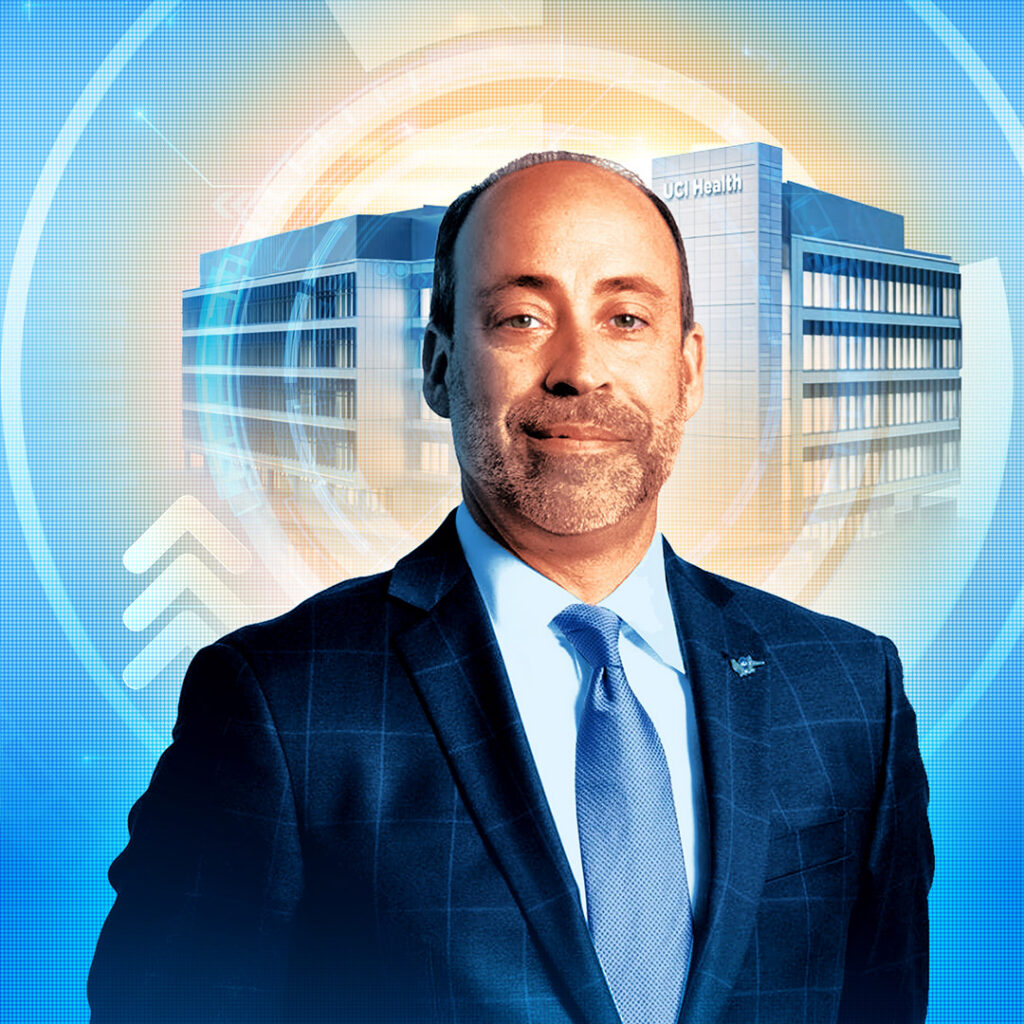
President and CEO, UCI Health
Lefteris oversees the recently completed $1.3 billion medical campus in Irvine, which includes a new cancer center and an advanced care facility, plus additional medical hubs and outpatient care centers across Southern California. IN THE NEWS: In December, Lefteris oversaw the opening of the nation’s first all-electric, zero-emission hospital – a seven-story, 144-bed general acute care facility with a 24-hour emergency department. IN HIS WORDS: “Irvine is the ideal setting for the nation’s first all-electric acute care hospital, thanks in part to the city’s leadership in sustainability and focus on climate protection and energy use.”
3. WENDY LIU
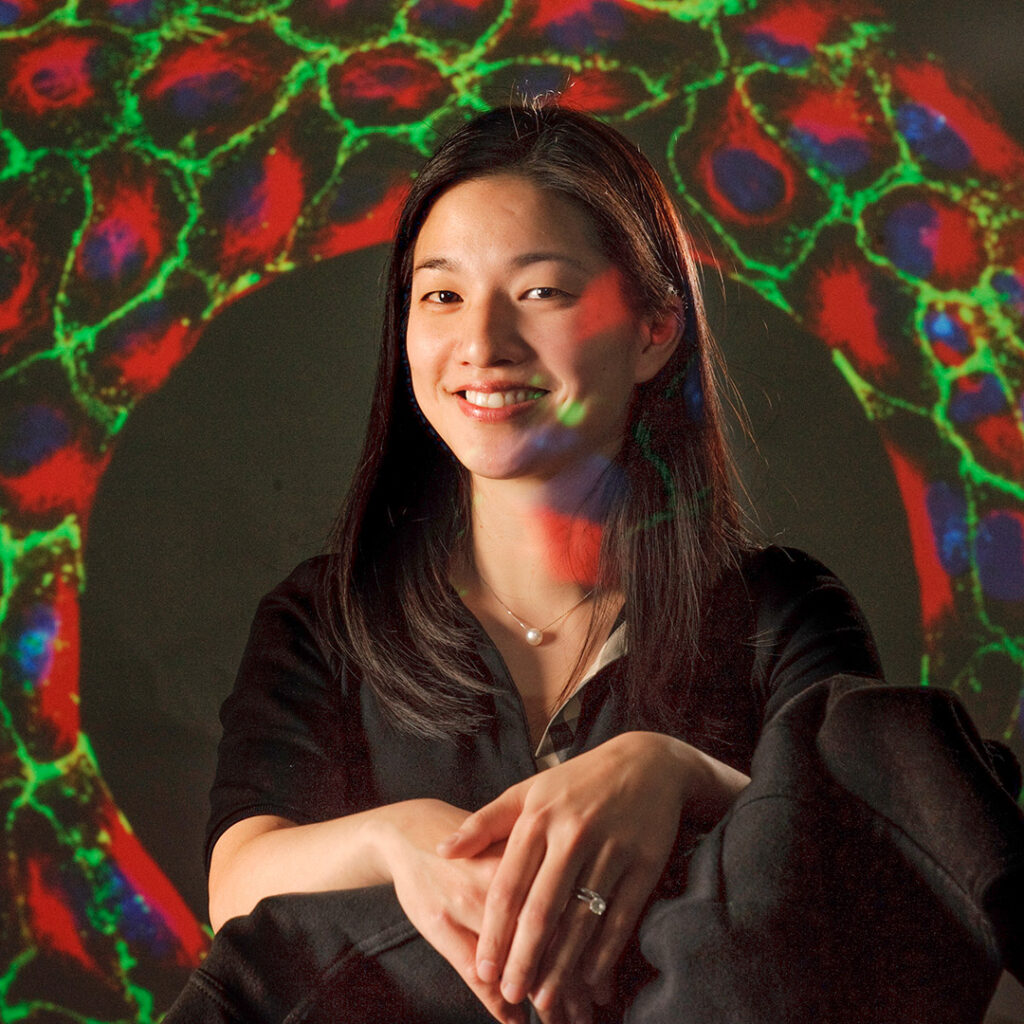
Professor of biomedical engineering, UC Irvine
Liu runs an interdisciplinary laboratory focused specifically on immune engineering. Her research explores how the human body’s immune system interacts with implanted medical devices, aiming to create biomaterials that promote healing rather than rejection. IN THE NEWS: Liu’s team is designing “immunomodulatory” biomaterials that could significantly improve wound care and extend the practical longevity of implantable devices such as pacemakers and continuous glucose sensors. IN HER WORDS: “The immune system is a powerful tool for regeneration. Our goal is to engineer materials that communicate with immune cells to promote healing rather than inflammation.”
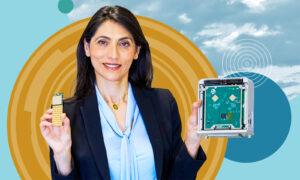
4. DANA BIECHELE-SPEZIALE
CEO, AtomICs
Biechele-Speziale is pioneering a new era of data storage by moving away from traditional silicon transistors and toward molecular chemistry. Her company is developing technology to store massive amounts of digital information securely on small molecules. IN THE NEWS: AtomICs recently won a Business Journal Innovator of the Year award for its breakthrough method of dense data storage, which promises to help solve the global data crisis by significantly reducing the need for sprawling data centers. IN HER WORDS: “Things like clothing, plastics, metals, you name it, we can deposit molecular information on that. The information does not have to live online in a database. It travels on the object itself.”
5. SOPHIA PARK
Director of color, material and finish design, Rivian
Park shapes Rivian’s distinctive palettes, textiles and trims and sees her mission as “creating meaningful emotional connections with our customers.” IN THE NEWS: 2026 is a pivotal year for Irvine’s star EV maker, as Rivian will start delivering its first smaller electric SUVs. The R2, with a target price of around $45,000, is the company’s first mass-market priced effort to scale up beyond its R1 trucks and SUVs, for which the starting cost is roughly $73,000. IN HER WORDS: “My inspiration comes from everywhere, including Irvine’s beautiful mountains, sand dunes and sunsets. A car is a second home, so we want the feeling to be inviting and friendly – while also bold and adventurous.”
6. CARYN BRADLEY
Founder and CEO, NeoCare Innovations
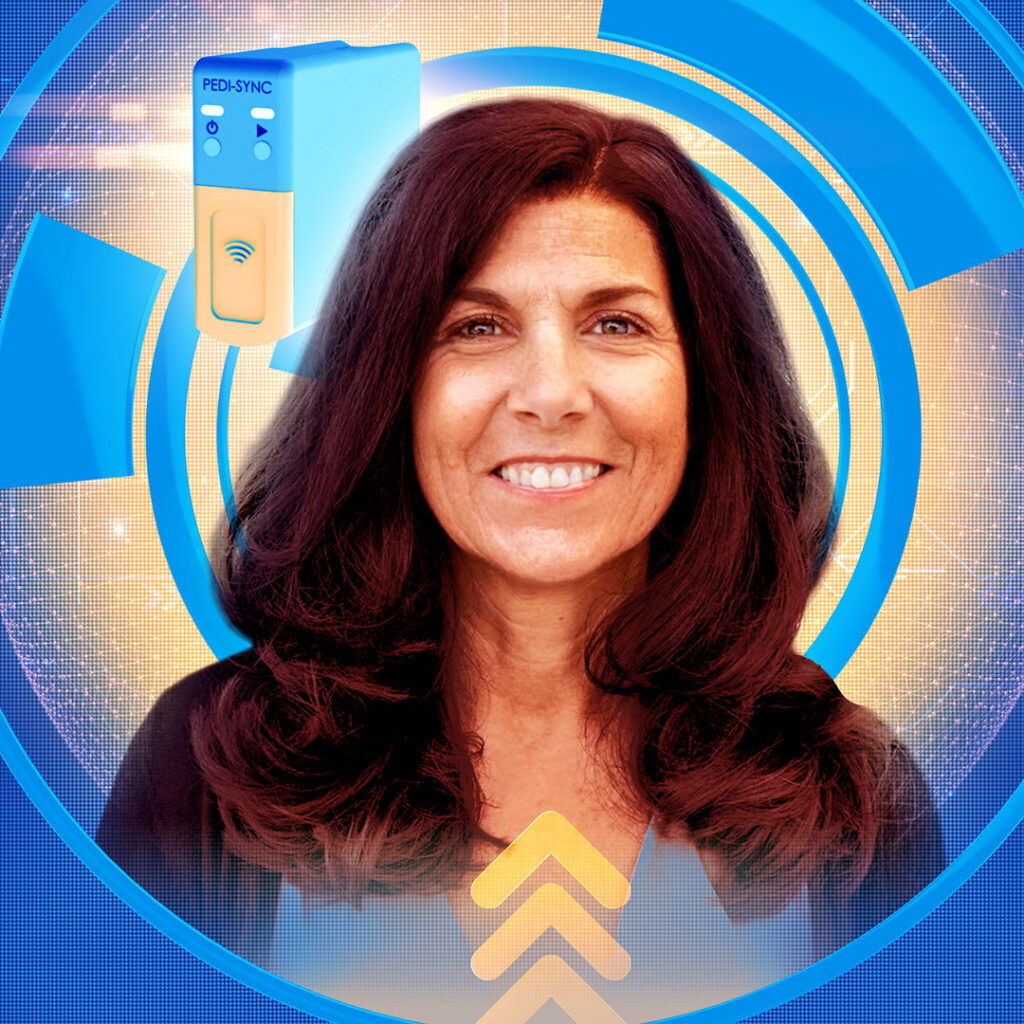
The neonatal physical therapist founded her startup to tackle a stubborn problem in newborn intensive care: How can doctors safely decide when to discharge premature infants? The answer could not only make life easier for parents of premature babies but save billions in health care costs. IN THE NEWS: Bradley so far has raised $1.7 million to develop a new software system to analyze an infant’s breathing patterns to assess its ability to feed from a bottle. IN HER WORDS: “When babies can’t feed safely, their time in the hospital is extended. UCI and the Irvine community embraced our research early on and provided pivotal resources to propel our work. The environment, talent pool and support is why any startup should consider Irvine.”
7. OMAR YAGHI
Founder, Atoco
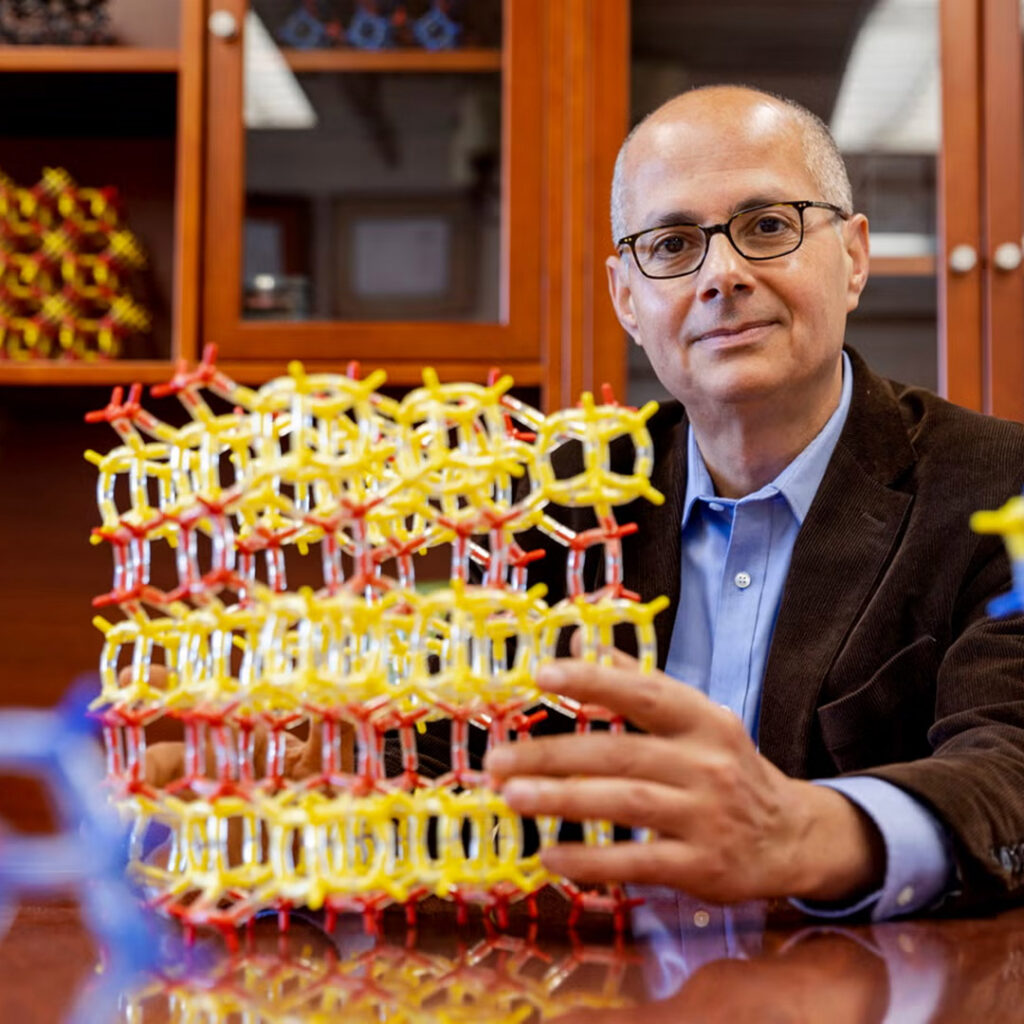
A renowned chemist and pioneer in the field of reticular chemistry, Yaghi founded Atoco to solve global water scarcity issues using advanced materials. His work focuses on water harvesting technology that can pull moisture directly from desert air. IN THE NEWS: Atoco is developing commercial-scale atmospheric water harvesters that operate in passive mode without the use of electricity, offering a sustainable solution for off-grid communities and drought-prone regions worldwide. IN HIS WORDS: “We are creating a new category of water infrastructure that is decentralized, sustainable and capable of operating off-grid. This is about delivering water independence to regions that need it most.”
8. ALI AGHA
Founder and CEO, FieldAI
This veteran team leader at the NASA Jet Propulsion Laboratory is an expert designer of software for autonomous robots that can go where humans can’t – including wildfires and mine shafts. IN THE NEWS: Agha’s $2 billion, 2-year-old startup relocated to Irvine in October to continue its pursuit of robotics breakthroughs, deploying autonomous robots in unfamiliar environments without GPS, maps or constant human oversight. IN HIS WORDS: “The mission is to build a single robot brain that can generalize across different robot types and a diverse set of environments.”
9. KATHY AZEEZ-NARAIN
Chief digital and innovation officer, Hoag
Azeez-Narain is driving the ongoing digital transformation of one of Orange County’s largest health care systems. She focuses on integrating consumer-friendly technology to make patient care more accessible, personalized and efficient. IN THE NEWS: In addition to opening the Sun Family Campus in Irvine later this year, Hoag has focused heavily on removing friction from the patient journey, building platforms like Hoag Compass to integrate digital navigation and accessible care directly into users’ daily lives. IN HER WORDS: “Digital solutions play a vital role in reshaping how we care for our community. I’m proud of the work being done to improve patient outcomes, access to care and patient experience.”
10. AOMAWA SHIELDS
Associate professor of physics and astronomy, UC Irvine
Shields is an astrobiologist in search of life outside our solar system. Her research on exoplanets as well as her media appearances and Rising Stargirls STEM program have shot her into earthly stardom. IN THE NEWS: She led a National Science Foundation-funded team that determined the 10 billion or so white dwarf stars in the Milky Way show a greater capacity to support habitable exoplanets than previously believed. IN HER WORDS: “We could be entering a new phase in which we’re studying an entirely new class of worlds around previously unconsidered stars.”
11. JAMES YOUNG KIM
CEO, Overture Orthopaedics
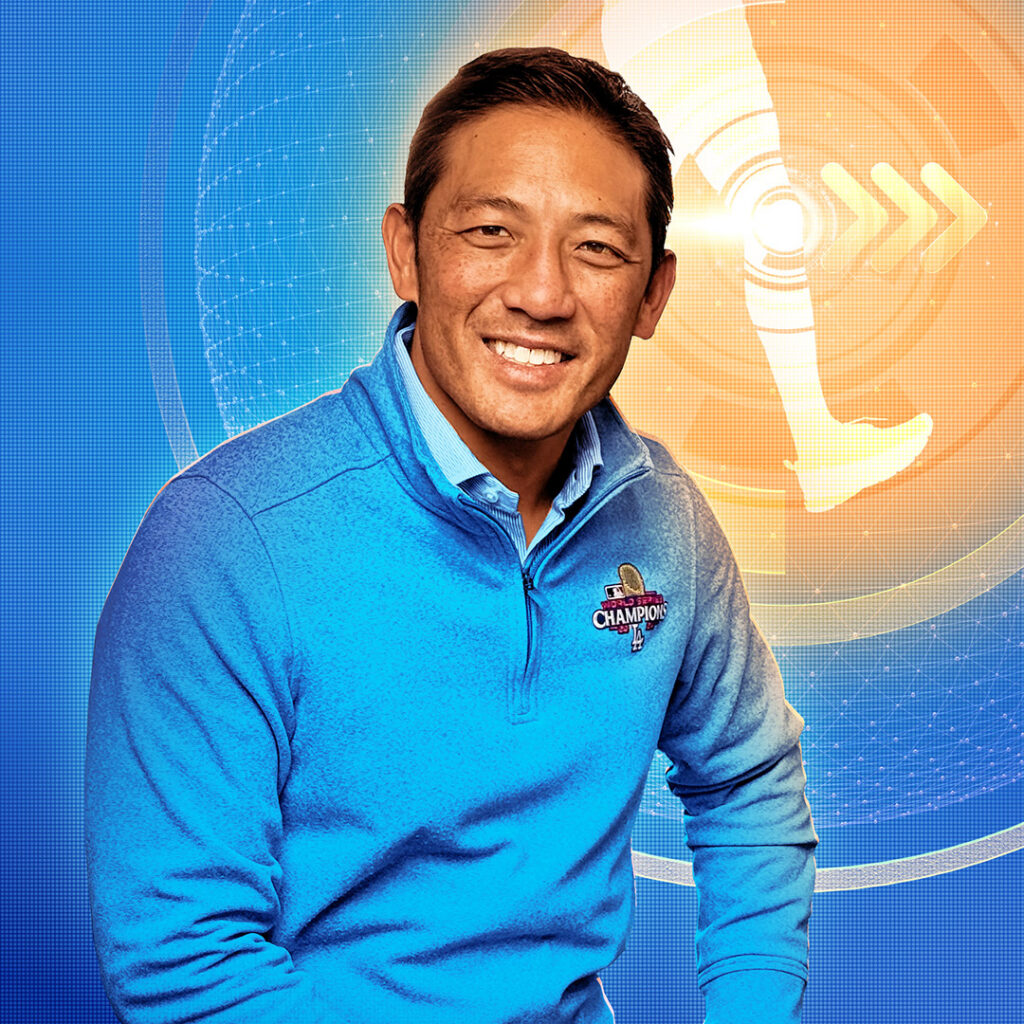
Kim leads the Irvine-based medical device company focused on joint preservation rather than total replacement. His team is developing less-invasive solutions for active patients who want to maintain mobility and a high quality of life without undergoing major reconstructive surgery. IN THE NEWS: Overture hit a $1 million sales milestone in 2025 for its award-winning OvertureTi Knee Resurfacing System, marking a successful transition to full commercial availability. IN HIS WORDS: “Overture’s solution addresses patients between 35 and 65 with a bridging procedure that delays joint reconstruction so that patients can maintain their active lifestyles for a longer period of their lives.”
12. PASHTOON KASI
Medical director of GI medical oncology, City of Hope Orange County
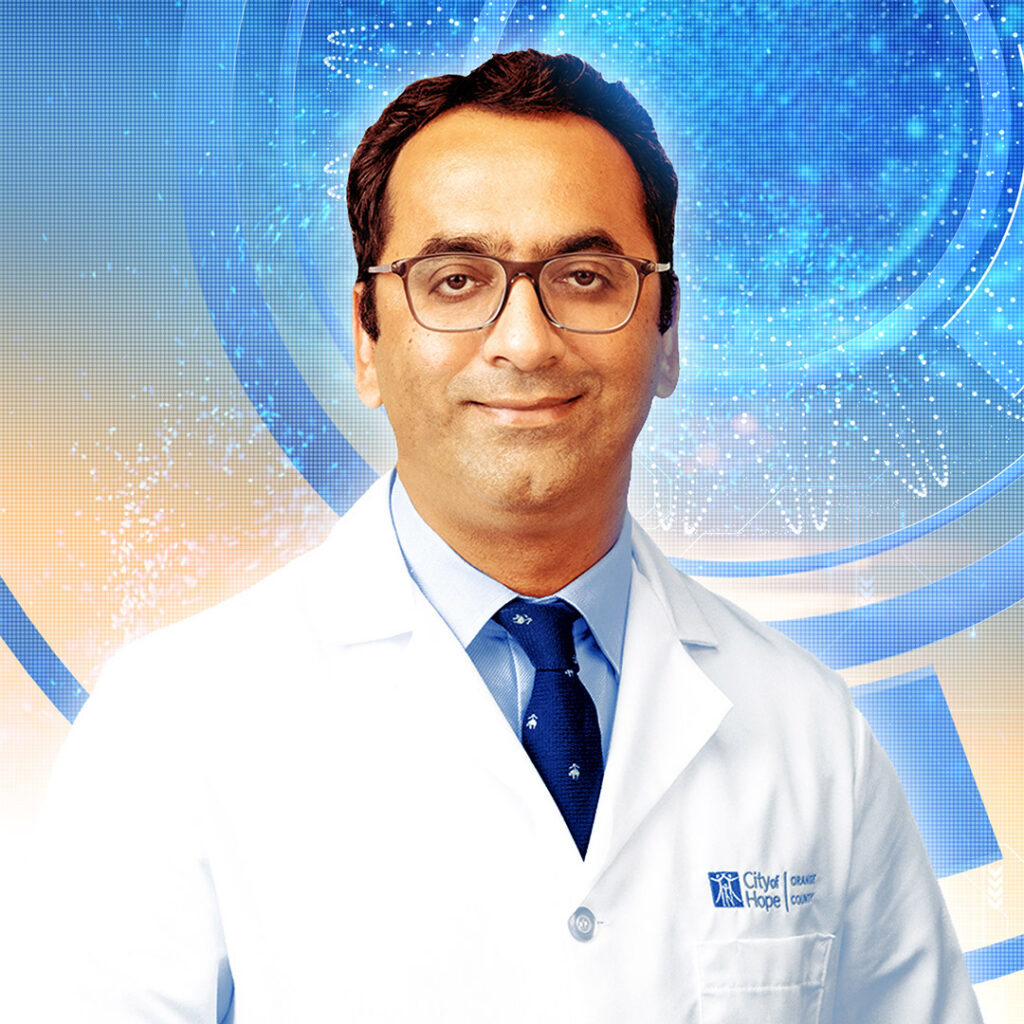
Kasi is a gastrointestinal cancer specialist whose “roots up” treatment of tumors with novel immunotherapy and precision medicine makes him a national leader in oncology. IN THE NEWS: He led clinical trials that show the promising results of pre-surgery immunotherapy, and he is on the cutting edge in working with liquid biopsies to more precisely guide diagnoses and therapies. IN HIS WORDS: “I’m able to make a tangible impact in the lives of so many patients. Not just the ones that we physically see, but in terms of the scientific progress as well as the trials that we bring forward.”
13. TIBOR JUHASZ
Professor of biomedical engineering and ophthalmology & visual sciences, UC Irvine
Juhasz holds joint appointments at the Samueli School of Engineering and the School of Medicine. His research on femtosecond laser applications in ophthalmology contributed to the development of the LASIK procedure and a laser treatment for glaucoma. Supported by the National Institutes of Health and UC Irvine’s Beall Applied Innovation, these efforts led to the launch of Irvine-based ViaLase. IN THE NEWS: Juhasz was named a 2025 fellow of the National Academy of Inventors, the highest professional distinction awarded solely to inventors. IN HIS WORDS: “I am humbled to have been chosen to be a fellow. Most exciting to me is having worked on an ophthalmological technology that improves lives by allowing people to preserve their ability to see.”
14. KENDALL MORRISON
Chief science officer, TAE Life Sciences
Morrison is advancing the field of biologically targeted radiation therapy. At TAE, he leads the development of Boron Neutron Capture Therapy (BNCT), a precise treatment designed to destroy cancer cells at the cellular level while sparing healthy tissue. IN THE NEWS: TAE Life Sciences is evaluating the combination of BNCT with immunotherapy, a dual-approach strategy that involves further investigations to potentially improve outcomes for difficult-to-treat cancers. IN HIS WORDS: “This research reinforces BNCT’s potential not only as a localized therapy but also as a treatment capable of addressing metastatic cancer. Combining BNCT with immunotherapy agents could significantly transform outcomes.”
15. RYAN HONARY
Founder, SensoRy AI
Starting as a 19-year-old student researcher, Honary founded SensoRy AI to apply artificial intelligence to environmental protection. His company builds mesh networks of sensors that can detect the early signs of wildfires before they spread. IN THE NEWS: The startup has secured new pilot programs to deploy its IoT sensor networks in high-risk zones, using AI to analyze microclimate data and alert first responders in real time. IN HIS WORDS: “We don’t just want to detect fires; we want to predict them. By combining IoT sensors with AI, we can give first responders the critical head start they need to save lives and property.”