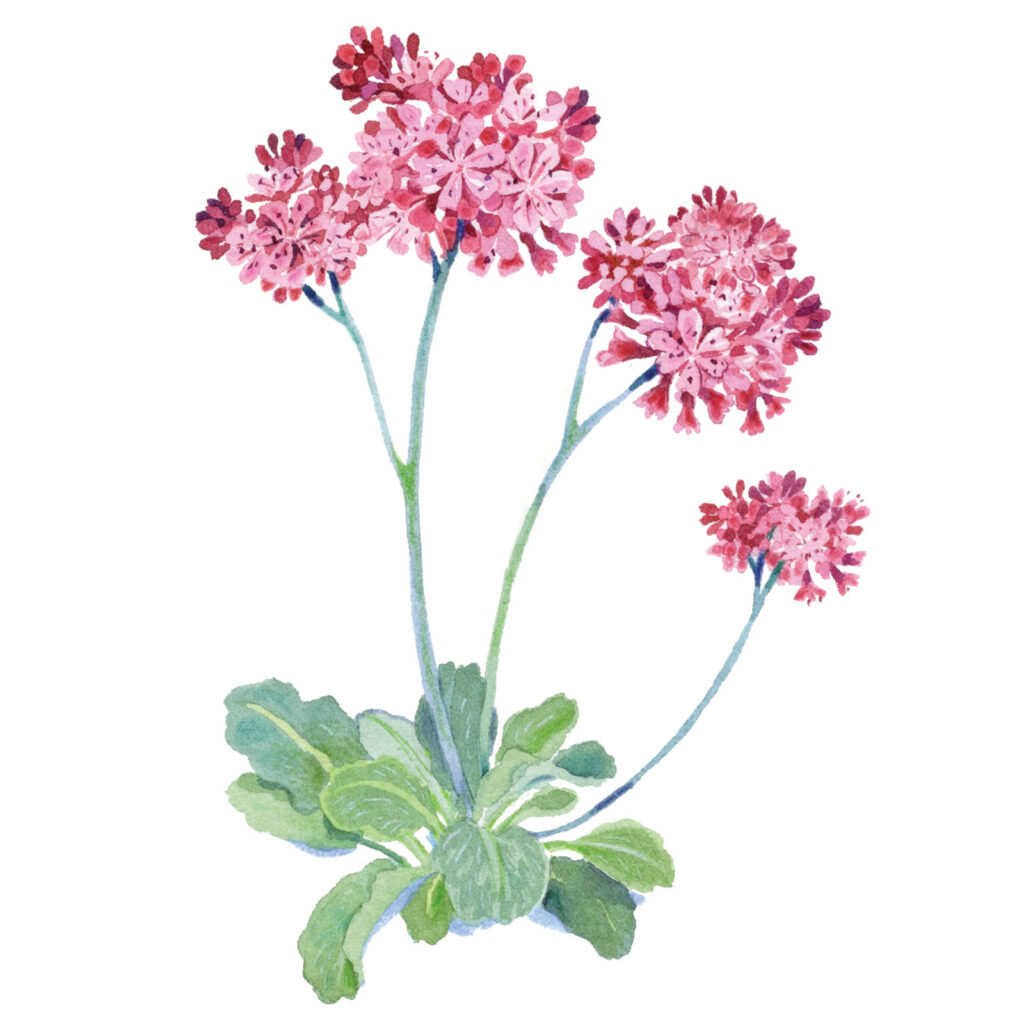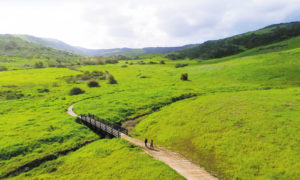
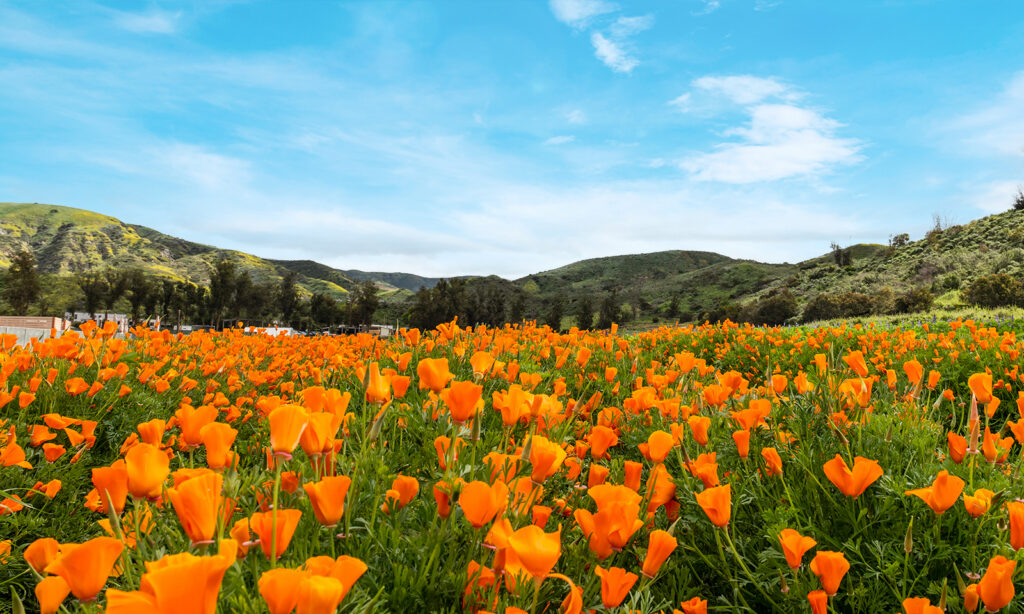
On the 8-acre Native Seed Farm at the north end of Jeffrey Road, 49 native plant species each year produce approximately 1,000 pounds of seeds that help restore and enhance 5,000 acres of our Southern California habitat.
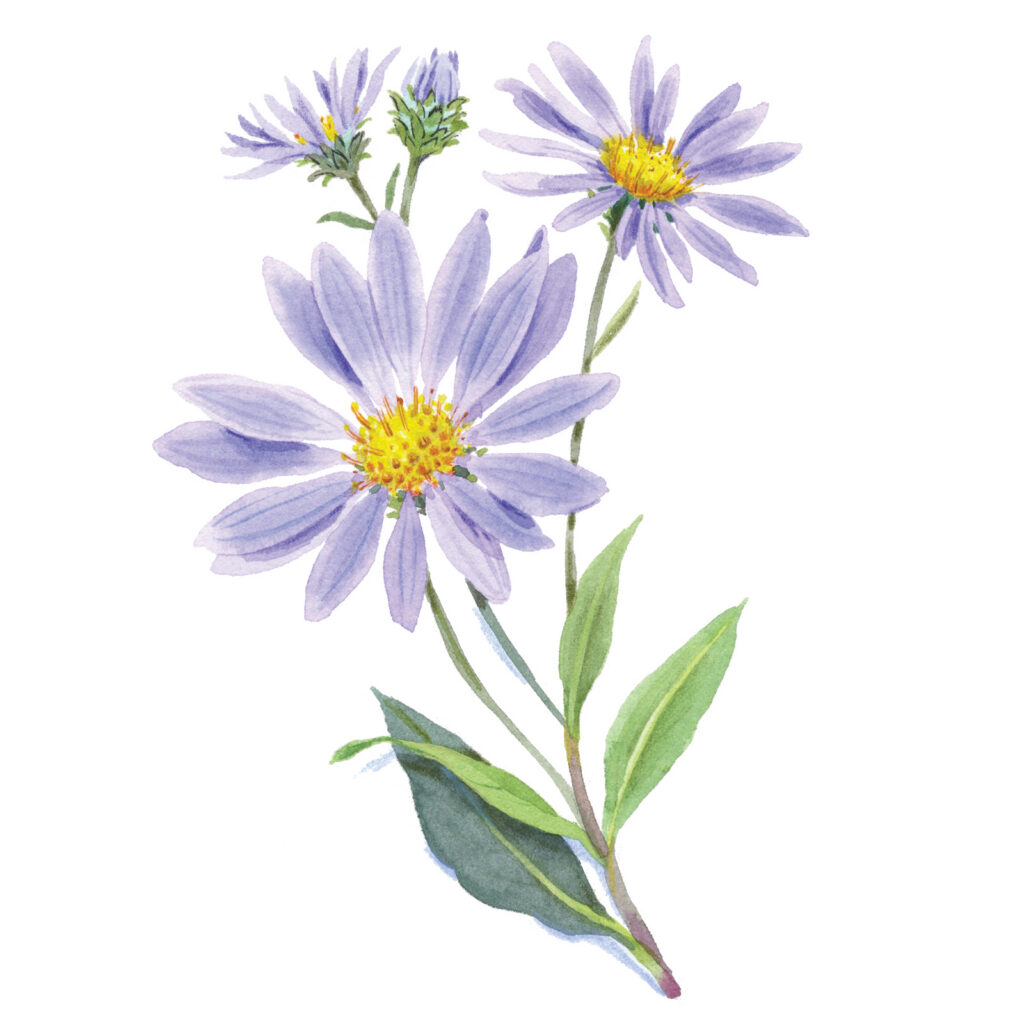
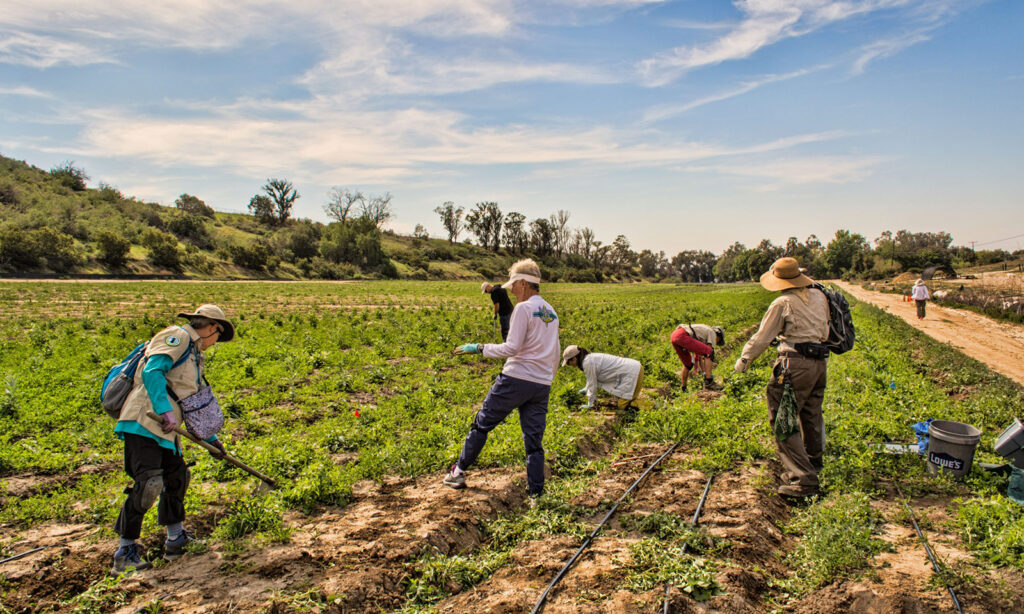
I’m proud to report that I contributed a tiny (very tiny!) portion of the whole recently, working alongside a happy band of staff and volunteers to harvest sand aster seeds. After just an hour and a half of shaking stems and twigs to release the seeds into buckets for processing, I have a new appreciation for all that Irvine Ranch Conservancy people undertake to keep our wilderness thriving.
It’s hard work but certainly rewarding. Next time I’m on the trails and spot the small purple-pink flowers of the sand aster, I’m sure I’ll feel a special affinity.
Plant ideas for home
Chatting with fellow harvesters and viewing the demonstration garden also gave me some great ideas for native plants that would work well in our Mediterranean climate. The demonstration garden is largely left alone and helps showcase how various species might interact and grow naturally with each other, unlike the neat rows of individual species in the working plots where planting, harvesting and processing happens almost continuously.
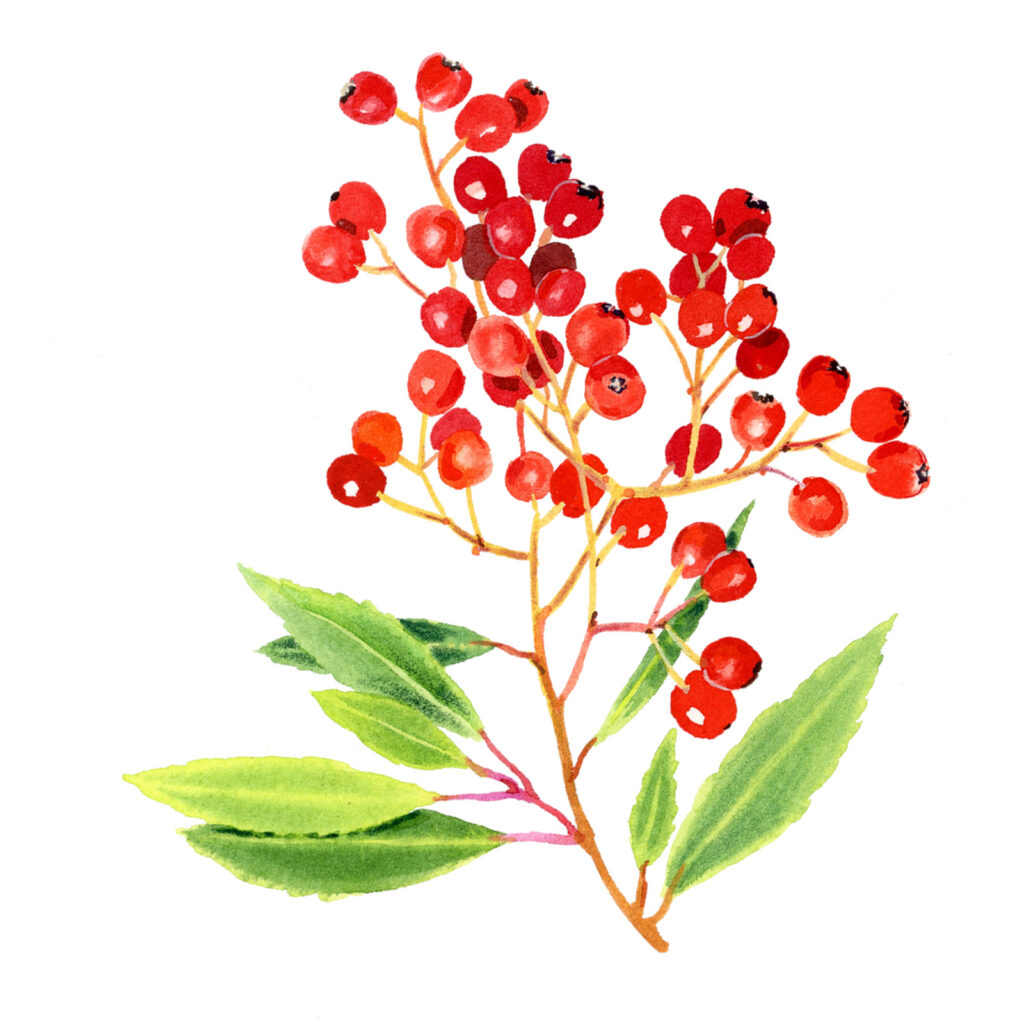
Jesse Potter, project manager of plant materials development at IRC, says toyon, one of my favorite plants, is a great choice for most gardens. This large evergreen shrub, or small tree, ranges from 6 feet to 25 feet tall and produces red berries that resemble holly, appropriately around the holidays. It’s said to have inspired the name Hollywood.
Potter had several additional recommendations.
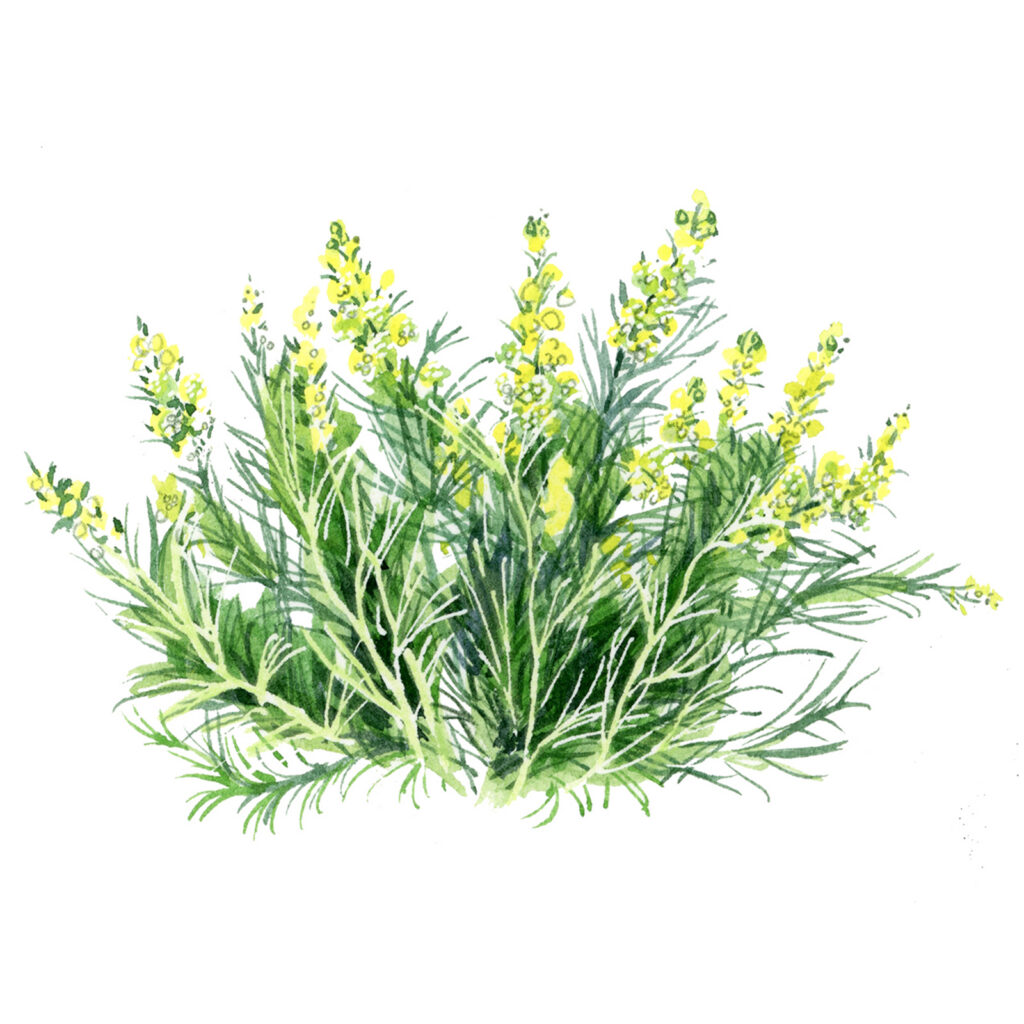
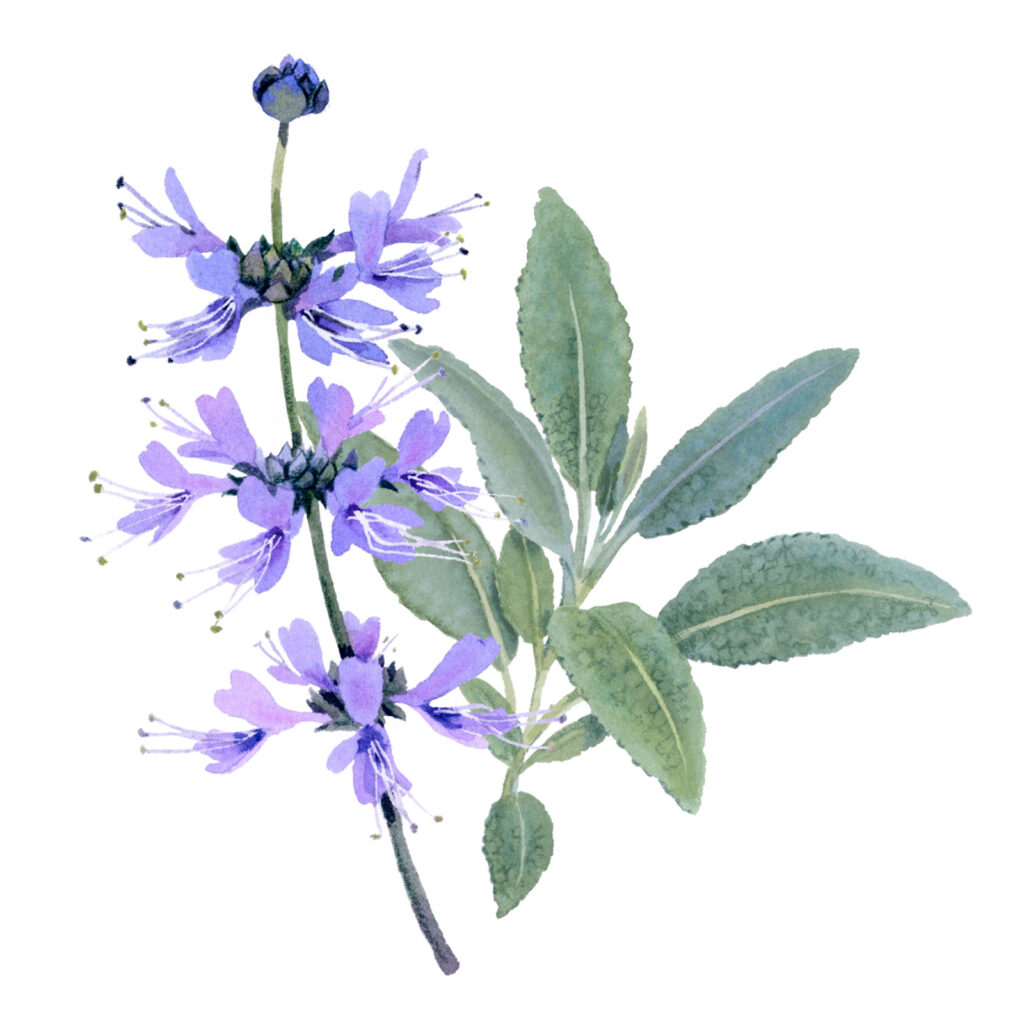
“California buckwheat is one of the best plants for our local native pollinators. This species produces many small white-pink flowers in the late spring/early summer,” he says. “Black sage is also great for pollinators. It has highly fragrant foliage and produces beautiful white-purple blooms in the spring. California sagebrush is my favorite plant. This species has feathery gray-green leaves that have an amazing sweet herbal fragrance when rubbed.”
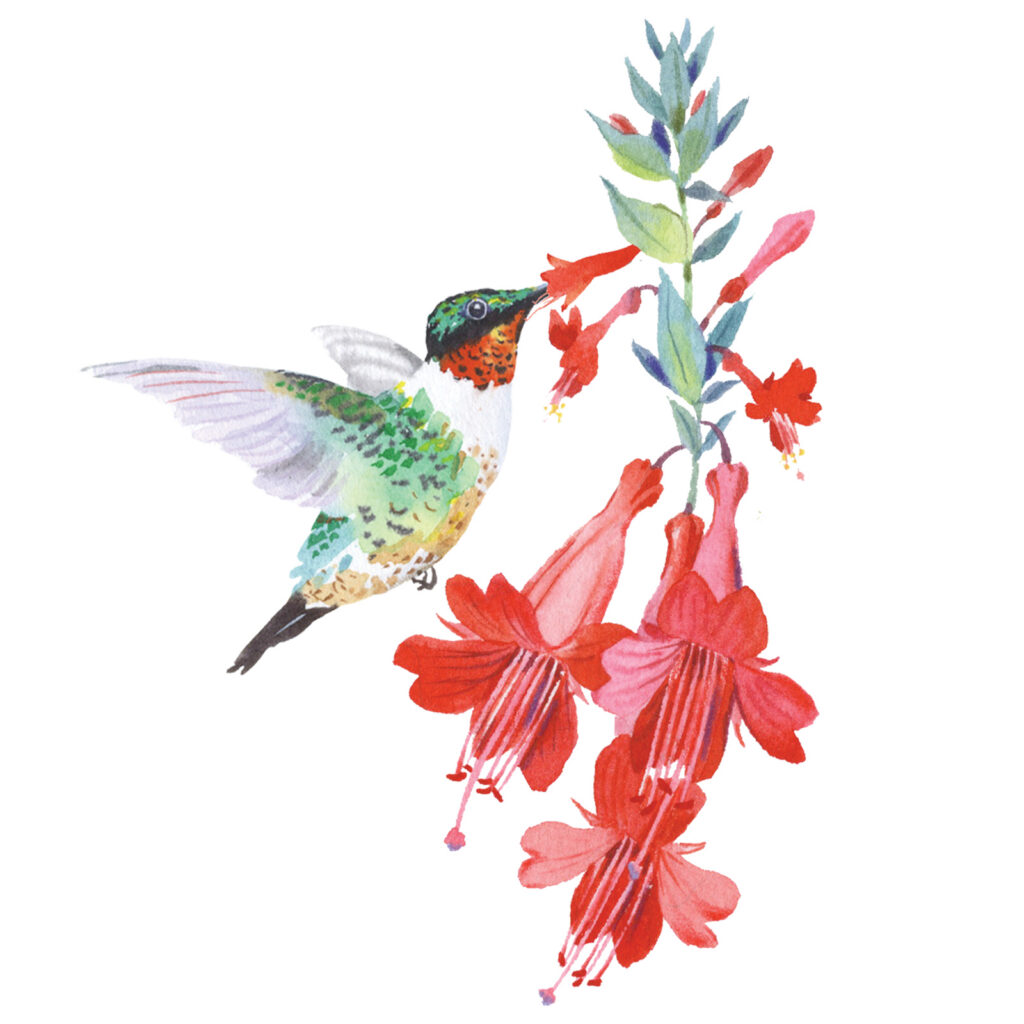
Other native plants that do well in our climate include purple Cleveland sage, scarlet California fuchsia and sticky monkeyflower, which produces tubular flowers that range from yellow to orange to red. White sage, with its silvery leaves, is a wonderfully striking choice for your personal mini-wilderness. An elderberry tree adds stature and produces creamy white flowers in midsummer.
Volunteer opportunities
The Irvine Ranch Conservancy Native Seed Farm got its start in 2009, temporarily using a small parcel of an avocado orchard that was damaged in the 2007 Santiago Canyon Fire. In 2016, Native Seed Farm relocated to a larger site with expanded infrastructure.
Volunteers are crucial to the farm’s operation. So come on down and enjoy camaraderie with fellow weeders, harvesters and seed-sowers.
You’ll experience a little of what it must have been like to live in precolonial days. Picture tribes like the Tongva gathering tiny buckwheat seeds to grind into a coarse flour for porridges, breads and gruel, or brewing the aromatic leaves of California sagebrush into a tea to clear chest congestion.
Regular volunteer activities are open to the public on certain days of the week, as well as occasional events focused on pollinators and the demonstration garden. Visit letsgooutside.org to find activities and sign up. It’s a great way to learn more about our local flora and ecology. No previous experience is needed, and basic equipment is provided, including gloves, rakes and spades.
You might even get to wear chaps, a first for me!
Native wildflowers of The Irvine Ranch