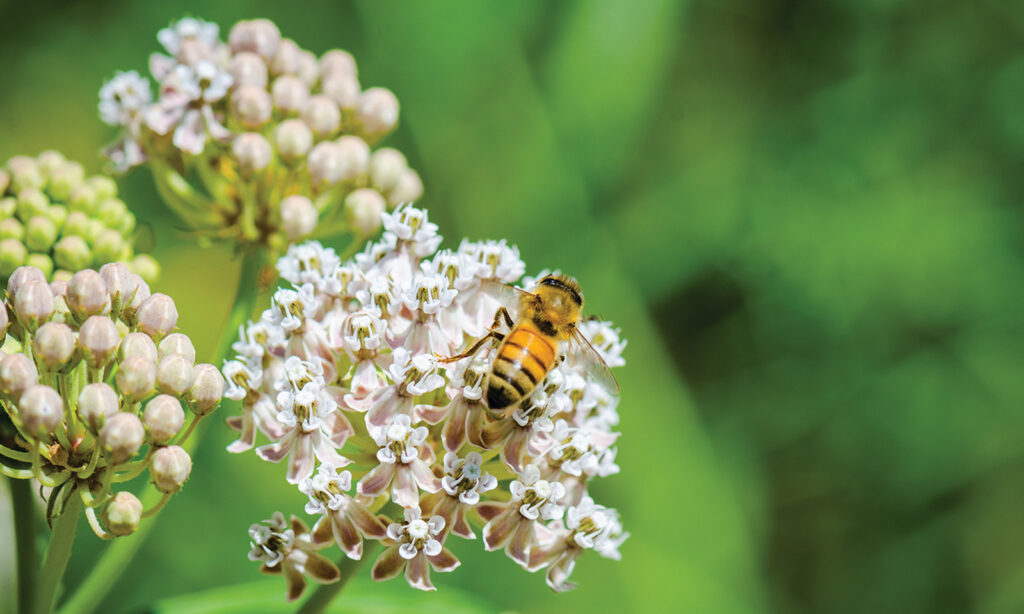
California is home to about 1,600 species of native wild bees, with hundreds of unique varieties living in Southern California. Unlike honeybees, roughly 70% of native bees nest alone in the ground or in small plant cavities rather than large hives. They are gentle by nature.
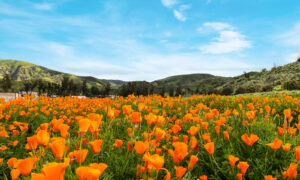
To attract native bees critical to the health of natural landscapes, plant buckwheat, native sages and California poppies.
Buckwheat is also a vital source of nectar and a larval host to dozens of regional butterflies, including the bramble hairstreak, gray hairstreak and acmon blue. It’s one of the easiest plants to grow, requiring little water to flourish, and is a terrific way to attract and support pollinators.
Given my recent volunteering at the Native Seed Farm, I was thrilled to learn that sand asters and orange-and-black painted lady butterflies, one of my favorites, share a vital ecological partnership. These butterflies migrate through Orange County in the spring, sometimes in great numbers after a wildflower superbloom.
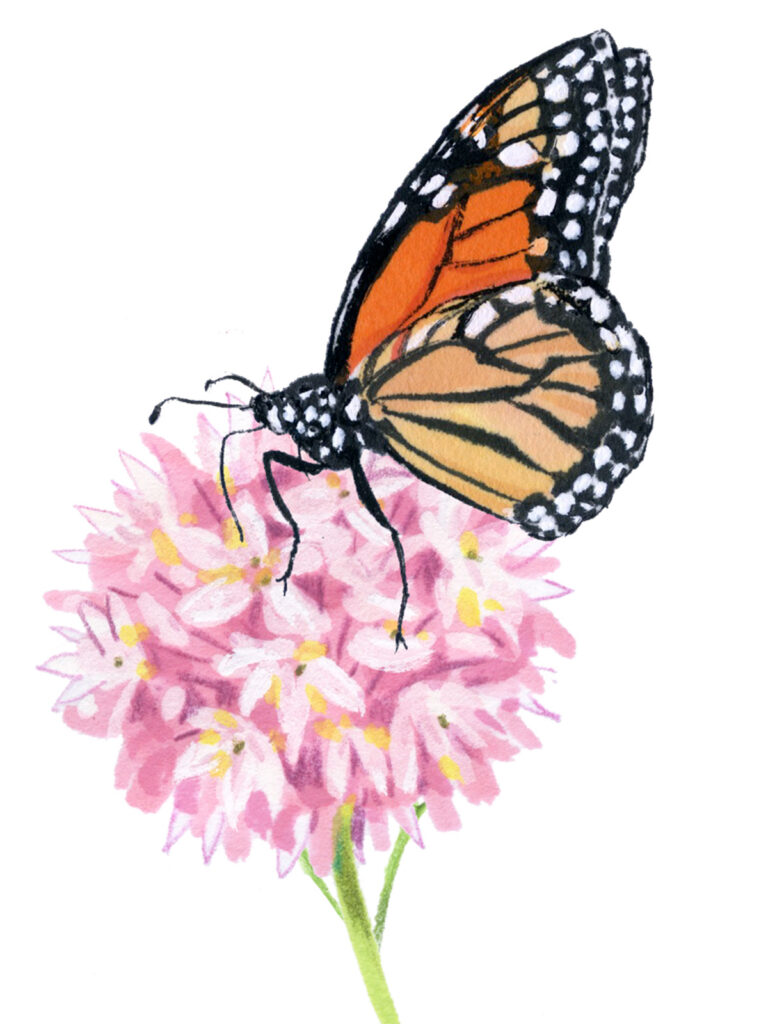
Monarch caterpillars eat only milkweed plants. To attract the butterflies, be sure to plant narrowleaf milkweed, which has pink flowers, not the tropical variety.
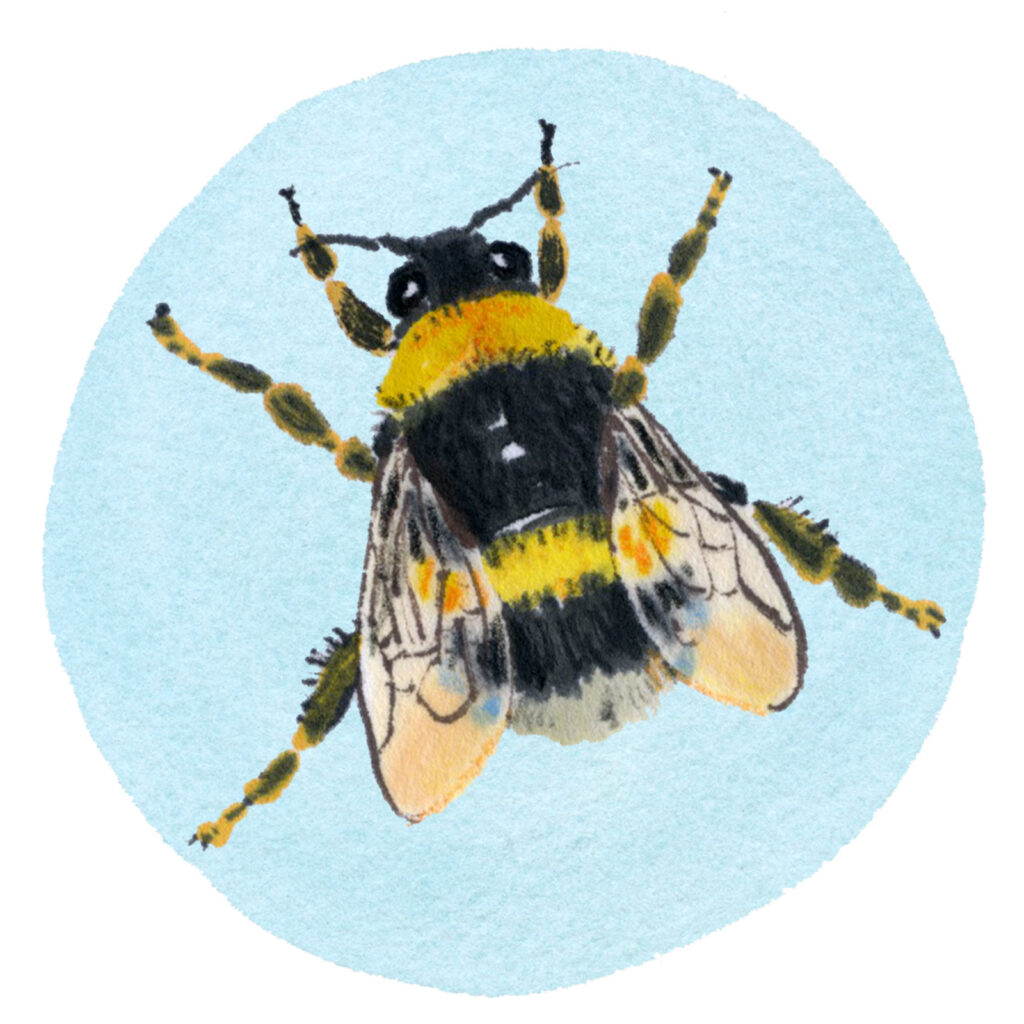
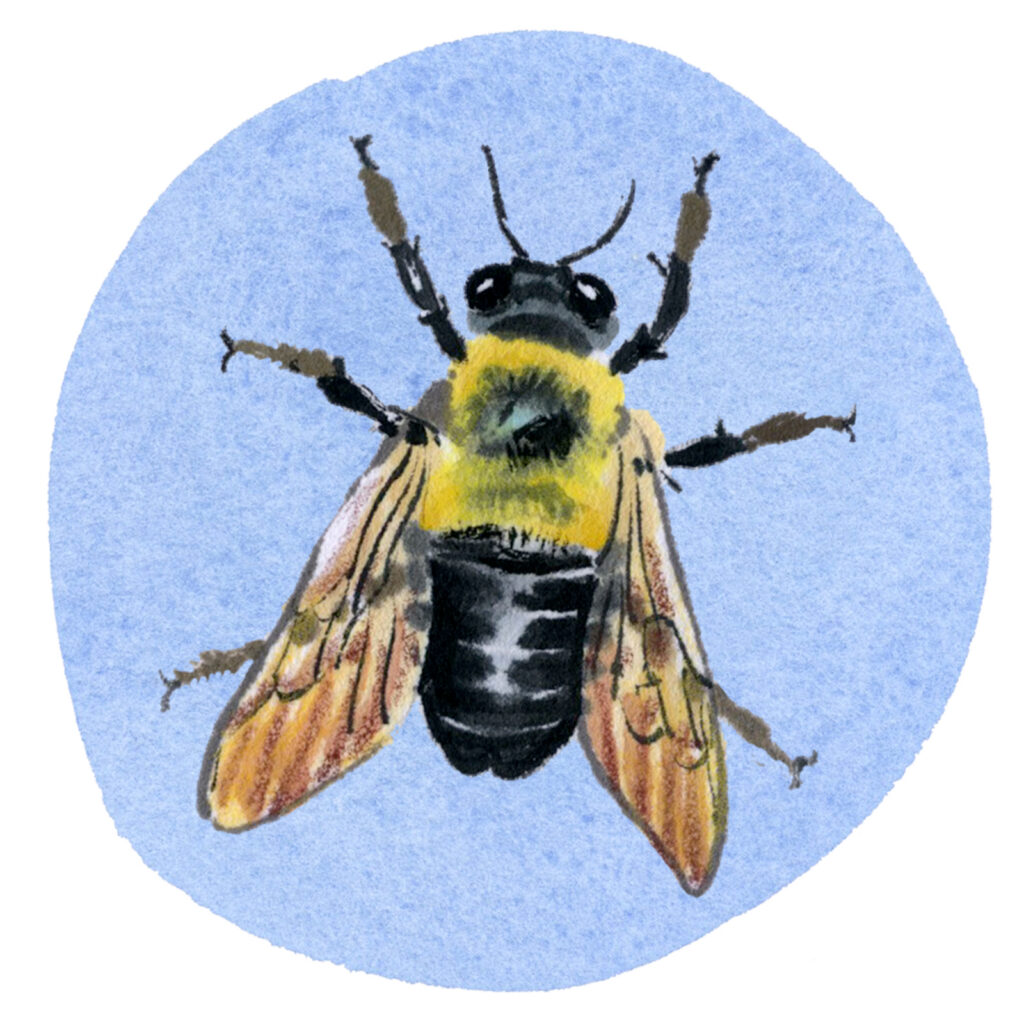
Carpenter bees are plumper than your average bee. The males are golden in color, while the females are black or dark blue. They drill round holes into wood, creating nesting tunnels. New adults emerge in late summer and feed on nectar and pollen.
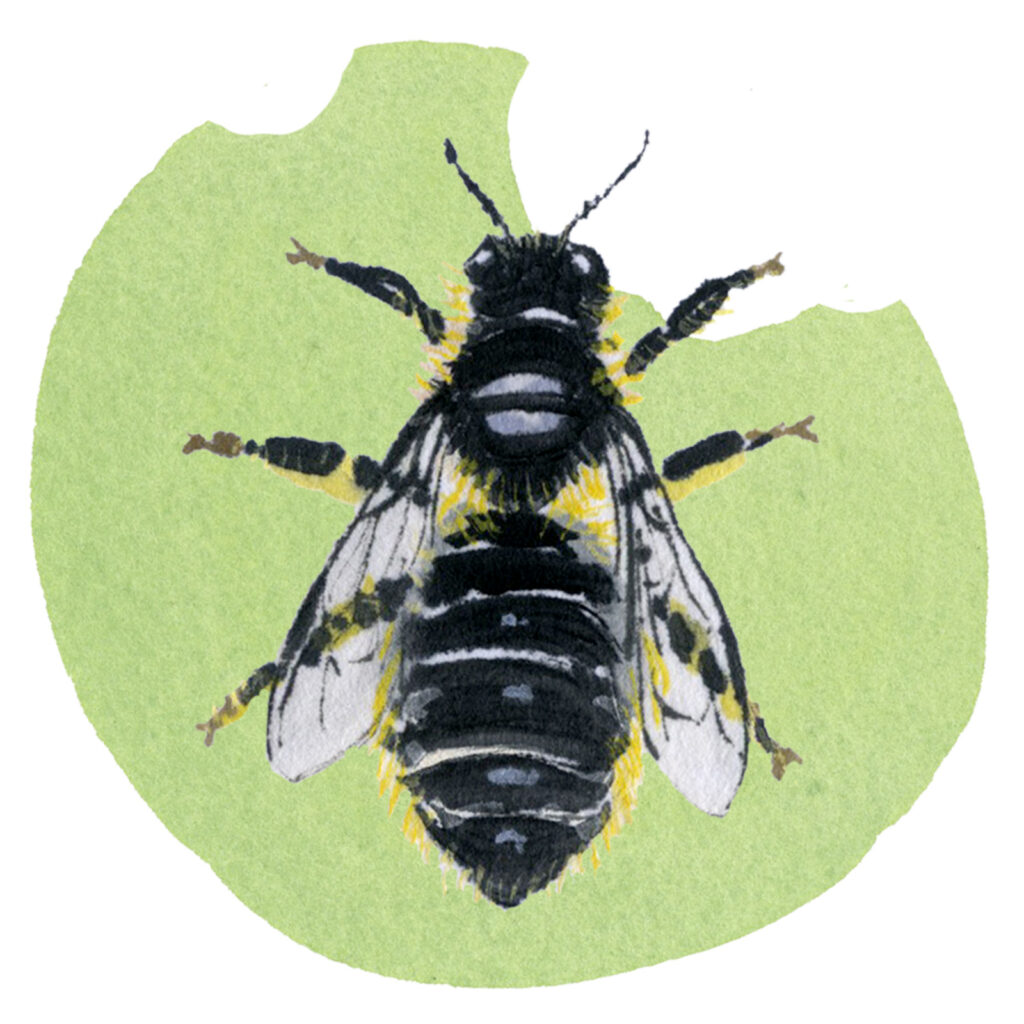
Leafcutter bees are solitary, gentle insects. Females line their brood cells with round or oval shapes cut from buckwheat leaves and other native plants. Each cell is lined with a mix of pollen and nectar. The bee then lays an egg and seals it with pieces of leaf.
Mining bees are harmless, ground-nesting native bees that emerge in early spring in Southern California to pollinate local wildflowers and flowering trees. Mostly solitary, they often tolerate close neighbors, creating large communities in patches of bare soil.